What to Expect from a Real Estate Photo Shoot: Expert Tips and Complete Workflow Guide
What to Expect from a Real Estate Photo Shoot: Expert Tips and Complete Workflow Guide
By Andrey Orekhov, AND Photography
Preparing for a real estate photo shoot involves understanding the entire process from start to finish, ensuring that the property is presented in its best light. Capturing stunning images of a property requires attention to detail, suitable staging, and the right kind of equipment. In this comprehensive guide, we will delve into every aspect one can expect during a real estate photo shoot, ranging from preparation and the photography process to post-shoot editing and deliverables. Many sellers find that high-quality images significantly contribute to a quicker sale or rental. This article will also address common concerns like the necessity of staging, the duration of shoots, and how modern technology enhances photography.
How Should You Prepare Your Property for a Real Estate Photo Shoot?
Proper preparation is essential to achieving optimal results in real estate photography. This involves several key aspects, including decluttering, staging the property, and ensuring the correct lighting conditions. By taking these essential steps, homeowners can enhance the visual appeal of their properties, presenting them in a way that attracts potential buyers.
What Are the Best Staging Tips to Enhance Photo Appeal?
To maximize the visual impact of real estate photographs, effective staging is crucial. Here are several proven techniques:
Arrangement: Placing furniture to create an open and inviting space encourages flow, making the property feel larger.
Neutral Decor: Using neutral colors allows potential buyers to envision themselves in the space without distraction.
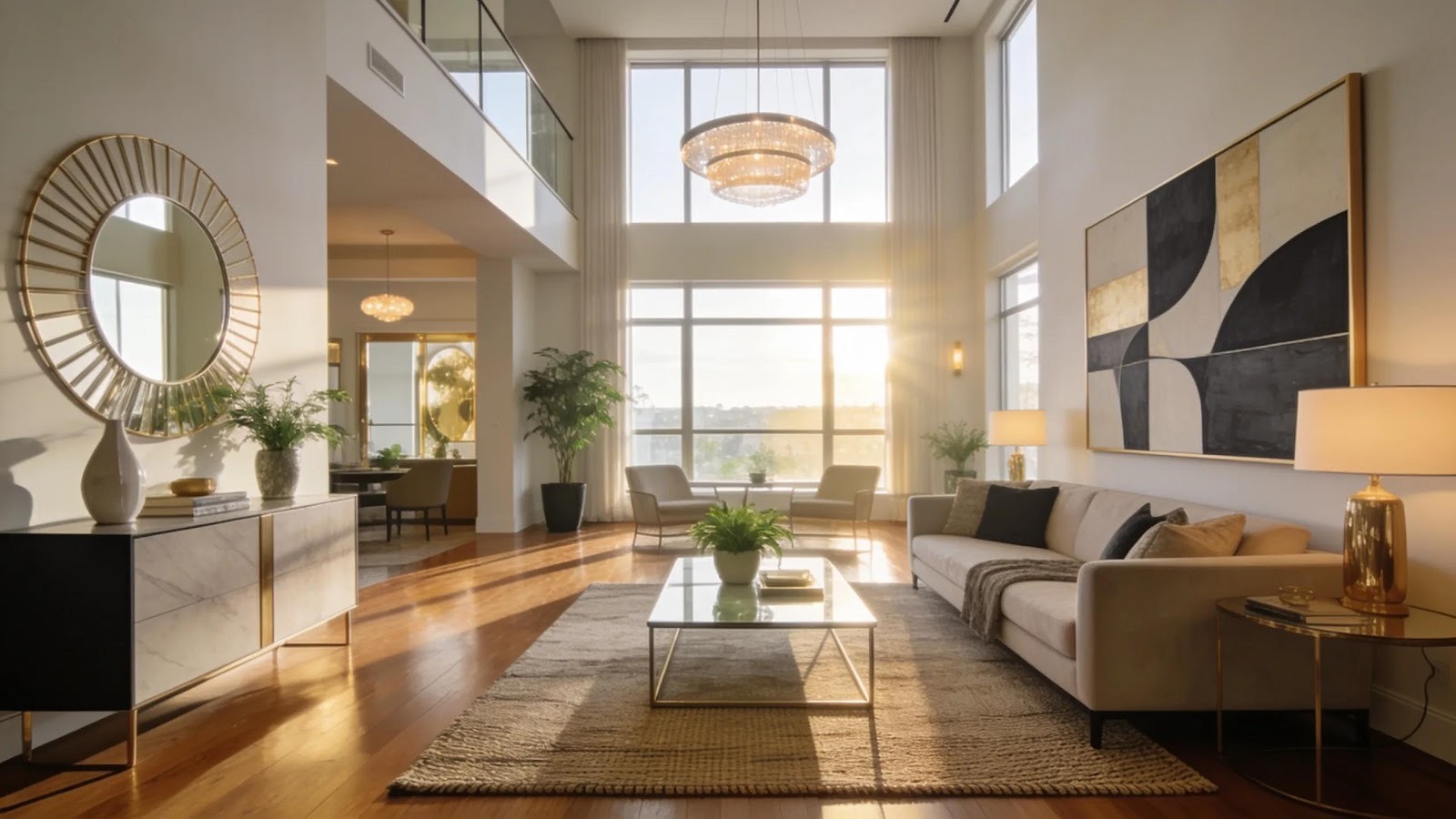
Natural Light: Opening blinds and using light curtains can enhance the property's ambience, providing a fresh look.
These techniques help to ensure the property looks its best during the photo shoot, making a compelling first impression on potential buyers.
How Does Cleaning and Lighting Influence Photo Quality?
Cleaning and lighting play vital roles in the quality of real estate photographs. A clean space devoid of personal items allows buyers to focus on the property itself.
Decluttering: Removing excess items creates a sense of spaciousness, crucial for appealing photographs.
Lighting: Proper lighting is essential for capturing the true essence of a property. Techniques such as shooting at the right time of day, when natural light is abundant, will greatly enhance image quality.
Best Practices: Utilizing a mix of natural and artificial light can help highlight the property’s best features.
Ensuring cleanliness and optimal lighting will significantly impact how buyers perceive the property through images.
What Happens During the Real Estate Photography Process?
Understanding the workflow that occurs during a real estate photo shoot is essential for homeowners who want to effectively manage their expectations. This process involves multiple steps that ensure the creation of high-quality images.
What Is the Typical Workflow on the Day of the Shoot?
On the day of the shoot, the workflow typically includes:
Property Preparation: The photographer will review the property and ensure it’s ready for shooting.
Setup: Arriving with proper equipment, the photographer sets up lighting and angles, optimizing for the best photographic results.
Photography Execution: The actual photo shoot can last several hours, as the photographer captures various angles and details of the property.
This structured approach is key to ensuring that everything aligns, resulting in stunning visuals.
Which Equipment and Technologies Are Used by Professional Photographers?
Real estate photographers utilize a range of equipment and technology to create high-quality images. Typical tools include:
Cameras: High-definition DSLR or mirrorless cameras are standard, often equipped with wide-angle lenses to capture more of the space.
Lighting Equipment: Softbox lights or external flashes can enhance indoor shots.
Drones: Aerial photography using drones provides an elevated view of the property, helping showcase its context within the neighborhood.
Utilizing the right equipment allows photographers to create captivating visuals that truly represent the property.
Which Types of Photos and Virtual Tours Are Included in a Listing Shoot?
A professional real estate photography shoot typically includes various types of photographs and may also offer virtual tours, providing a comprehensive view of the property:
Traditional Photos: These include interior and exterior shots that highlight key selling features.
Lifestyle Photography: Images showcasing the property in use, often including staging with people for added context.
Aerial Photography: Drone imagery that captures the entire property and surrounding landscape.
Virtual Tours: 360-degree virtual tours allow potential buyers to navigate the property online, enhancing engagement and interest.
Combining these types of imagery provides a complete marketing package that can attract potential buyers.
What Interior and Exterior Shots Should You Expect?
During a real estate photo shoot, both interior and exterior shots are fundamental.
Interior shots often focus on:
Key living spaces such as the living room and kitchen.
Bedrooms, bathrooms, and unique features like fireplaces or built-in shelves.
Exterior shots are equally important, showcasing:
Curb appeal, including landscaping and entryways.
Outdoor living spaces like patios, balconies, and gardens.
These images contribute to the overall narrative of the property and highlight its value.
How Do Drone Photography and 360° Virtual Tours Enhance Listings?
Both drone photography and 360° virtual tours have revolutionized real estate marketing by providing unique perspectives that traditional photography cannot match.
Drone Photography: Offers stunning aerial views that display the property’s placement within its environment, which is particularly valuable for larger estates and homes in scenic locations.
360° Virtual Tours: Allow prospective buyers to explore the property interactively from the comfort of their home, significantly increasing engagement and interest.
Utilizing these technologies not only enhances the visual appeal of listings but also caters to the modern buyer's expectations for immersive experiences.
What Occurs After the Real Estate Photo Shoot: Editing and Deliverables?
The processes following the photography shoot are just as crucial in determining the quality of the final product.
What Is the Typical Photo Editing Process and Timeline?
After the shoot, the editing process involves several stages to ensure high-quality images:
Selection: Photographers sift through all images to choose the best shots for editing.
Adjustments: Basic editing includes corrections of color balance, brightness, and sharpness to enhance the attractiveness of the images.
Final Touches: Advanced editing techniques may involve digital staging or removing imperfections.
Typically, this process can take anywhere from 24-72 hours, depending on the photographer's workload and the number of images processed.
Which Final Deliverables Can Clients Expect and How Are They Provided?
Clients can expect to receive multiple deliverables after the photoshoot, typically including:
Image Formats: High-resolution JPEGs suitable for both print and online use.
Resolution Specifications: Ensuring images are optimized for various platforms, including listings and social media.
Licensing Agreements: Clear terms for the use of photos, ensuring clients understand their rights regarding the images.
These deliverables are often provided via digital download links, making them easy to access and use for marketing purposes.
What Are Common Questions About Real Estate Photo Shoots?
Understanding the common questions surrounding real estate photography can help clients prepare better and set realistic expectations.
How Long Does a Typical Real Estate Photo Shoot Take?
The duration of a photo shoot can vary significantly based on the property's size and complexity, but typically ranges from 1-3 hours. Factors influencing the duration include:
Property size and layout complexity.
The number of specific shots or details requested by the homeowner.
Additional services such as drone photography that may extend shoot time.
Preparing for this timeline helps ensure that the property is adequately staged and ready for efficient shooting.
Is Property Staging Necessary for Effective Real Estate Photos?
While not strictly necessary, property staging is highly advisable for effective real estate photos. Staged homes often show better, leading to increased buyer interest. Considerations include:
Highlighting Features: Staging emphasizes the property’s strengths, making spaces appear inviting and functional.
Increased Appeal: Well-staged properties can evoke emotional responses from buyers, potentially leading to quicker sales.
Real estate professionals frequently encourage staging as part of the preparation process for a photo shoot.
How Much Does Professional Real Estate Photography Usually Cost?
The cost of professional real estate photography can vary widely, depending on location, the photographer’s experience, and the services included. On average, clients can expect to pay between $200 to $500 for a standard shoot. Factors that influence pricing include:
The size of the property.
Additional services like staging or virtual tours.
Regional market conditions impacting service rates.
Understanding these variables helps clients budget effectively for their marketing efforts.
How Are Advances in Technology Impacting Real Estate Photo Shoots?
Embracing new technologies has significantly transformed the landscape of real estate photography. This includes improvements in equipment and new services amplifying the visual presentation of properties.
What Are the Latest Trends in Real Estate Imaging Technology?
Recent advancements in imaging technology have introduced new methods and tools for capturing properties, such as:
3D Imaging: Allows for the creation of virtual walkthroughs that provide buyers with a realistic sense of space.
HDR Photography: High Dynamic Range imaging allows photographers to capture a wider range of light and detail, enhancing image quality.
Enhanced Drone Technology: Modern drones are equipped with superior cameras and stability control, leading to smoother aerial shots.
These innovations continue to improve the quality and effectiveness of real estate marketing.
How Do Virtual Tours and Drone Photography Increase Listing Engagement?
Virtual tours and drone photography have proven to significantly increase engagement:
Statistical Advantages: Listings with virtual tours receive significantly more views, making them a compelling option for sellers.
Buyer Preferences: Many buyers prefer visual content formats that allow for greater interaction with properties compared to traditional photos alone.
Leveraging these technologies has become essential for real estate agents looking to stand out in a competitive marketplace.
What Is the Best Time to Schedule Your Real Estate Photo Shoot?
Understanding the best timing for scheduling a real estate photo shoot can greatly enhance the quality of the images captured.
How Does Timing Affect Lighting and Property Presentation?
Timing can significantly influence the natural light available during a shoot. Key considerations include:
Golden Hour: Early morning or late afternoon provides soft, flattering light that enhances the property’s features.
Sun Position: Understanding how the sun’s position affects light inside a home can lead to better interior shots.
Seasonal Adjustments: Properties can look markedly different in various seasons, affecting the visual appeal of outdoor spaces.
These factors can dramatically impact the final results, making strategic timing important.
When Should You Book a Photographer for Maximum Marketing Impact?
Booking a photographer well in advance ensures that clients can prepare their properties adequately. Recommended practices include:
Aligning with the Market: Scheduling photo shoots to coincide with peak market activity is beneficial for attracting buyers.
Seasonal Planning: If showcasing seasonal attributes, such as a well-landscaped garden in spring, booking during the right season is crucial.
Flexible Scheduling: Early bookings allow for rescheduling in case of unexpected weather changes or other unforeseen circumstances.
By planning ahead, sellers can leverage optimal conditions to maximally enhance their property's visual appeal.
For professional real estate photography services that capture stunning visuals of properties, consider visiting And Photography. They offer a comprehensive approach to showcasing homes effectively.