
seasonal-property-photography-tips-lighting-staging-and-marketing-ffor-brisbane-homes

Showcasing a property’s seasonal character can lift engagement and accelerate sales in Brisbane’s market. This guide walks you through practical, professional techniques for using seasonal light, smart staging and outdoor composition to make listings shine. You’ll get clear advice on natural and artificial lighting, seasonal staging choices and post‑processing tips — plus solutions to common shooting challenges so you can produce images that attract buyers.
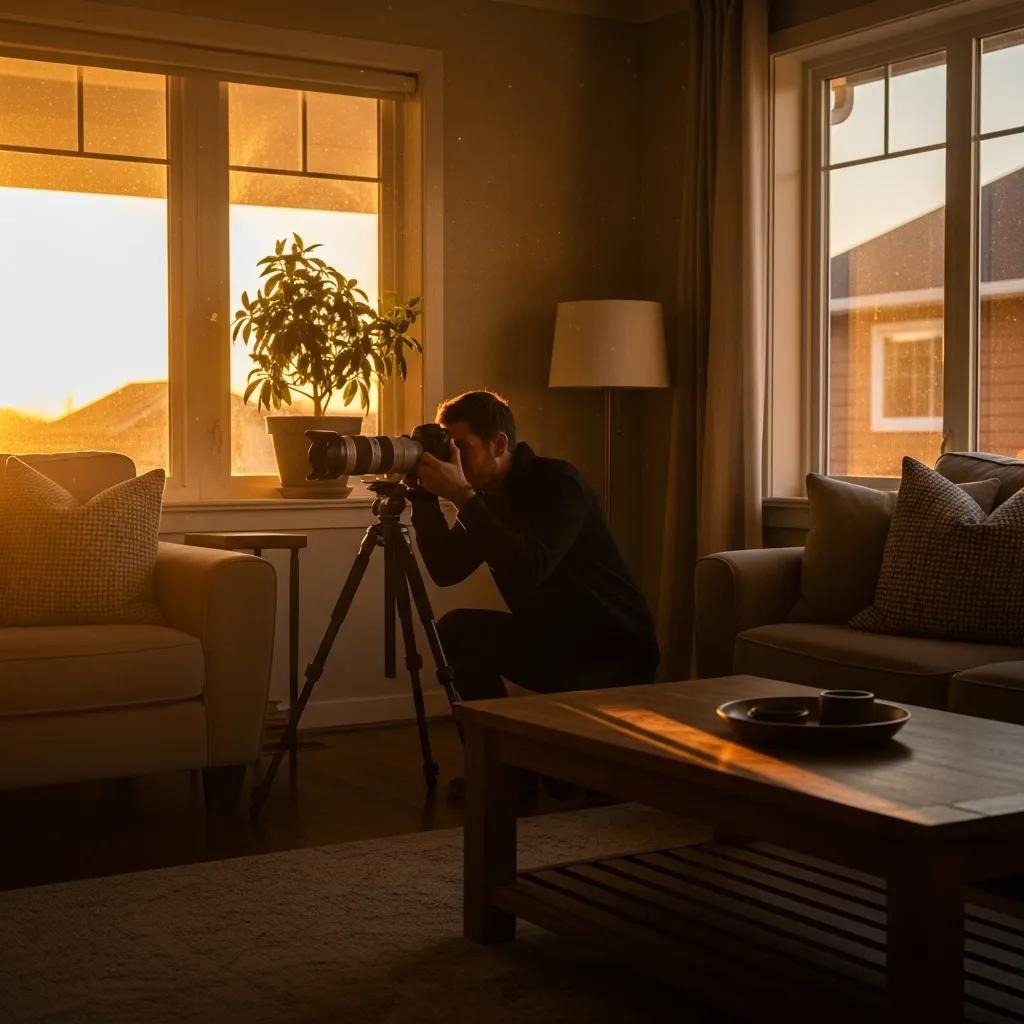
Light defines mood and perceived value. Learning to balance daylight with controlled artificial light will help you flatter interiors, reveal architectural detail and keep colors true across seasons. The right approach highlights a property’s strengths and helps listings perform better online.
Practical lighting technique includes simple gear and workflow choices: use reflectors to bounce natural light into shadowed corners, deploy small LED panels as consistent fill sources when daylight is uneven, and always check your histogram rather than relying only on the camera preview. When composing mixed‑light shots, decide which light source should dominate and set your white balance to that temperature so colors remain coherent. Before shooting, ask homeowners to open blinds and curtains selectively to create depth while avoiding blown highlights; shutters and sheers help soften harsh sun.
Brisbane’s natural light shifts with the seasons and that affects how spaces photograph. Summer light is strong and directional, producing vivid colors and higher contrast — ideal for gardens and outdoor shots. Winter light tends to be softer and more diffused, which creates a warm, intimate feel for interiors. Plan shoot times and angles around these characteristics to capture each property at its best.
Think in terms of solar geometry and orientation: north‑facing rooms in Brisbane receive consistent daylight and often photograph well year‑round, while east and west exposures change significantly between morning and late afternoon. Use simple sun‑path or light‑planning apps to pick optimal windows: schedule interior shoots when light enters primary living spaces, and reserve exterior hero shots for golden hour when façades and landscaping take on rich, directional color. For multi‑level homes, consider how overhangs and verandas cast shade and plan framing to either include or avoid those shadowed areas.
Research shows natural daylight generally creates a superior visual environment compared with artificial lighting, especially in apartment contexts common to cities like Melbourne, Sydney and Brisbane.
Daylight vs. Artificial Light in Apartment Buildings
Across times of day and seasons, daylight typically provides a better visual environment than artificial lighting in apartment buildings found in Melbourne, Sydney and Brisbane.
Investigating daylight in apartment buildings in Melbourne, Australia — P. Rajagopalan, 2020
When daylight is limited, artificial light becomes your tool to shape mood and maintain consistent color. Use softboxes or LEDs to create even, shadow‑free fills and match light temperature to the season — warmer tones for cosy winter interiors, neutral daylight balance for summer shots. Add practical lamps to emphasize focal areas and use dimmers or diffusion to avoid hot spots.
For reliable colour and consistent results, set a target color temperature and use lights and gels that match that value. Small battery‑powered LED panels and portable softboxes make it easier to create balanced fills without large crews. Where flash is used, combine it with continuous LED fill to preview shadow behaviour, and use remote triggers or TTL where appropriate for speed. Pay attention to reflections on mirrors and glass by slightly adjusting angles or adding polarising filters; these simple moves protect the sense of space and keep images looking natural.
Staging tuned to the season helps buyers emotionally connect with a property. Thoughtful seasonal cues — a cluster of spring flowers, a warm throw in winter — make spaces feel lived‑in and relevant. When staging aligns with the season and target market, photos become more evocative and listings more memorable.
Practical staging is a mix of decluttering, selective styling and scale. Remove excessive personal items, keep surfaces tidy and introduce small, season‑appropriate props that suggest use without dominating the scene. For example, a simple vase with native spring flowers, a folded throw in an armchair, or a neatly set outdoor table conveys lifestyle. Pay attention to scale: oversized accessories can make spaces feel smaller, while low‑profile pieces can open sightlines and improve perceived flow from room to room.
Staging is strategic: it frames how buyers experience a space and guides the story you want photos to tell.
Home Staging: Building the Buyer’s Experience
Interviews and observations with professional stagers show how staging constructs a persuasive, embodied context that helps buyers imagine living in a space.
Feels like home: how home stagers construct spatial rhetorics to persuade homebuyers — K.L. Vercel, 2021
Holiday styling can add warmth and personality while staying tasteful. Use simple touches — a wreath, soft string lights, neutral seasonal plants — and photograph at times when those elements read naturally in the frame. Avoid overdecorating; the goal is to suggest a gentle, welcoming atmosphere that resonates with family buyers.
When photographing decorative elements like string lights or candles, stabilise the camera on a tripod and use longer exposures to capture the glow without blown highlights. Small aperture changes and controlled ISO keep foreground detail sharp while producing pleasing bokeh from lights in the background. Photograph both close details (a styled mantel or table vignette) and wider context shots so buyers see how holiday touches integrate with the home’s layout.
Houses can lean on outdoor staging — gardens, patios and curb appeal matter. Apartments often benefit more from interior interventions that maximize perceived space and light. Use mirrors, low‑profile furniture and a light palette to open up smaller footprints and highlight natural light in urban listings.
For houses, create a sequence of images that moves from curb to backyard so viewers experience outdoor living as part of the property; include close details of landscaping and entertaining zones. For apartments, emphasise circulation, storage and amenity use: stage balconies with compact furniture, show communal spaces when permitted, and photograph key rooms in ways that emphasise light and perceived square footage. In both contexts, small plantings and neutral textiles add warmth without distracting from core features.
Exterior shots should place the property in a flattering seasonal context. Adapt composition and timing to the season, accentuate landscaping, and include environmental details that communicate lifestyle — a sunlit deck in summer, a sheltered courtyard in cooler months.
Composition choices matter: use leading lines such as driveways, fences and pathways to direct the eye toward the house; frame images with foliage to create depth and seasonal context; and employ a moderate telephoto or standard wide lens to control perspective and compress distracting background elements. Mind the horizon line and keep architecture level by using a built‑in spirit level or a tripod with a ballhead. Small changes in vantage point can turn an ordinary façade photo into a hero shot.
In summer, aim for golden hour shortly after sunrise or before sunset to avoid harsh midday shadows and to capture warm, inviting light. In winter, mid‑day light can be soft and evenly lit — use that window for crisp exterior details. Wherever possible, include seasonal highlights like blooming borders in spring or warm lighting in autumn to add depth to your images.
Cloudy days are not always a problem; diffused light reduces contrast and can make colour and texture more even, which is useful for photographing landscaped areas and shaded façades. If rain is likely, protect equipment with weather covers, use quick‑dry towels for surfaces, and look for reflective puddle opportunities for creative shots. When the weather is extreme, postpone non‑critical shoots to keep both safety and image quality high.
A reliable DSLR or mirrorless camera and a versatile wide‑angle lens will cover most property needs. A tripod is essential for low‑light and HDR work. Adjust settings by season: keep ISO low in bright summer sun to avoid noise, and raise ISO or use longer exposures in winter while minding motion blur. Bracket exposures when needed for balanced interiors-to-exteriors.
Practical starting settings: for interiors, use a moderate aperture for depth‑of‑field (for many lenses f/5.6–f/11), bracket by 1–2 stops to capture highlights and shadows, and keep shutter speeds low on a tripod. For exteriors, choose focal lengths that best represent the property — 16–35mm for small yards and tight façades, 24–70mm for mid‑range views and compression. Bring spare batteries, a set of compact LED panels, a collapsible reflector, and a sturdy tripod. When shooting twilight or dusk hero images, bracket to preserve both sky colour and shadow detail and slightly underexpose to retain saturation.
Editing refines a good shoot into a market-ready listing. Thoughtful post-processing corrects exposure, preserves natural color and emphasizes seasonal features without overdoing the effect. The goal is a faithful, attractive representation that performs well across listing platforms.
Develop a consistent workflow: ingest and back up raw files, rate and cull quickly, apply broad white balance and exposure adjustments first, then move to local corrections. Use batch processing for global changes and local masks for selective adjustments like brightening interiors or enhancing foliage. Export images in sizes and formats optimised for web listing platforms, keeping master files for future print or marketing use. Good file naming and metadata practices improve discoverability and project organisation.
Use color correction and white balance to keep seasonal hues accurate. Boost contrast and selective saturation carefully — for example, enhance autumn leaf tones or gently brighten spring foliage — but avoid unrealistic colors. Remove distracting elements and straighten lines to keep attention on the property.
Local adjustments are crucial: use targeted luminosity masks to recover detail in bright skies, apply radial filters to subtly direct attention to focal zones like a kitchen island, and use clarity or texture sparingly to preserve natural surfaces. When sharpening, preview at 100% and avoid halos; when reducing noise, prioritise detail retention over aggressive smoothing. If sky replacements are used, match lighting and perspective so the result remains believable and honest.
Virtual staging is a cost‑effective way to show potential in vacant spaces; keep furnishings neutral and seasonally appropriate. Drone photography adds valuable context — aerials showcase gardens, pool areas and surrounding amenity. Use both tools judiciously and label virtually staged images clearly to maintain buyer trust.
When commissioning drone imagery, confirm permissions and respectful use of airspace, and plan flights to capture property context such as nearby parks, waterways or street frontage. For virtual staging, ensure virtual furnishings reflect the home’s scale and season: lightweight outdoor furniture for summer images, neutral indoor furniture for winter. Always disclose virtual staging in marketing materials and avoid misrepresenting the property’s fixed features.
Seasonal images connect emotionally and can increase listing engagement. When photos reflect a property’s best seasonal attributes, potential buyers form a clearer picture of lifestyle and value — which often leads to more views, inquiries and quicker decisions.
Beyond the images themselves, thoughtful presentation matters: hero images should be chosen to match the listing’s primary selling point and tested where possible, while captions and descriptions should call out seasonal benefits (for instance, “spring garden” or “warmer winter lounge”). Use consistent image sizing and alt text for accessibility and search optimisation; good image copy and meta descriptions help search engines and users understand why the seasonality matters for this property.
High‑quality seasonal photos help listings stand out by telling a relatable story — cosy interiors in winter, lush outdoor living in summer. Listings that use well‑executed seasonal imagery typically receive more clicks and inquiries because they feel current and inviting.
Seasonal photos also enable targeted marketing: use summer garden shots for campaigns aimed at buyers who value outdoor living, or warm interior shots for campaigns focussed on downsizers or winter‑time open houses. Tailoring the gallery to likely buyer personas increases relevance and improves the efficiency of paid and organic marketing channels.
Use high‑resolution images that are optimized for web delivery to balance quality and load speed. Keep staging and lighting consistent across a gallery, add seasonal keywords to descriptions for better search visibility, and choose hero images that best represent the property’s strongest seasonal selling points.
Image SEO basics matter: include clear, descriptive alt text that mentions the season and prominent features (for example, “Brisbane north-facing living room with spring light”), use concise file names that match key terms, and provide short captions that reinforce seasonal selling points. Test hero images in ads and listings to see which seasonal visuals deliver better engagement and iterate based on performance data.
Photographers and agents frequently ask which season or techniques work best and how to prepare properties so they photograph well year‑round. Below are concise answers to the most common concerns.

Spring and autumn are often ideal thanks to mild weather and vibrant outdoor palettes, but the best season depends on the property and target buyer. Use the season that highlights the home’s strongest features — gardens in spring, outdoor entertaining areas in summer, or cosy interiors in winter.
Also consider the listing timeline and market expectations: if a property’s main value is its outdoor entertaining spaces, schedule shoots in seasons that show those areas at their best. If a quick listing is required, adapt staging and lighting to present the home attractively regardless of season — for example, warm interior tones and strategic lighting can give winter shots similar emotional appeal to spring images.
For winter and holiday shoots, prioritize warm, layered lighting and tasteful seasonal touches. Declutter, deep‑clean and stage with subtle accents like throws or tasteful decor. Ensure pathways and exterior lights are tidy and functional, and avoid overly personal items that distract buyers.
Before the shoot, test interior lighting combinations and prepare backup bulbs for exterior fixtures. Consider short checks such as cleaning windows for clearer views, arranging rugs so they lie flat, and pre‑placing small props so they don’t interrupt flow on the day. These minor actions reduce rework in editing and present a polished gallery to prospective buyers.
Plan around season, weather and property features. Consider the best times of day for light, how landscaping looks at different times of year, and which rooms will benefit from seasonal styling. Thoughtful timing and preparation yield the most compelling images.
Match seasonal elements to each property’s strengths: frame a home with spring blooms, stage a fireplace in cooler months, and highlight outdoor living during summer. Use these cues to create a visual narrative that helps buyers imagine life in the space.
Color sets mood. Emphasize seasonal palettes — bright pastels and fresh greens in spring, warm earth tones in autumn — and refine them in editing so images feel natural and appealing. Coordinate decor and minor staging to complement the property’s inherent colors.
Timing is critical. Golden hour softens features and enhances warmth, while mid‑day may be better for balanced exterior detail in winter. Also plan shoots around peak seasonal moments, like peak bloom or autumn colour, to capture the property at its most attractive.
Start with accurate color correction and exposure. Use selective enhancements to emphasize seasonal elements without altering reality. Maintain consistent processing across the gallery and remove distractions to keep focus on the property’s selling points.
Share high‑quality seasonal photos on Instagram, Facebook and industry platforms with clear captions and relevant hashtags. Use short videos or reels for behind‑the‑scenes staging and quick tours, and engage with comments to build interest and drive inquiries.
To make galleries and campaigns actionable, consider a short, consistent set of deliverables for each listing: a hero exterior image (golden hour), a twilight shot, wide living room, kitchen detail, master bedroom, bathroom, backyard or balcony, and one aerial overview where relevant. Use these in combination across social posts, email blasts and listing platforms to create a cohesive seasonal narrative.