
real-estate-photography-guide

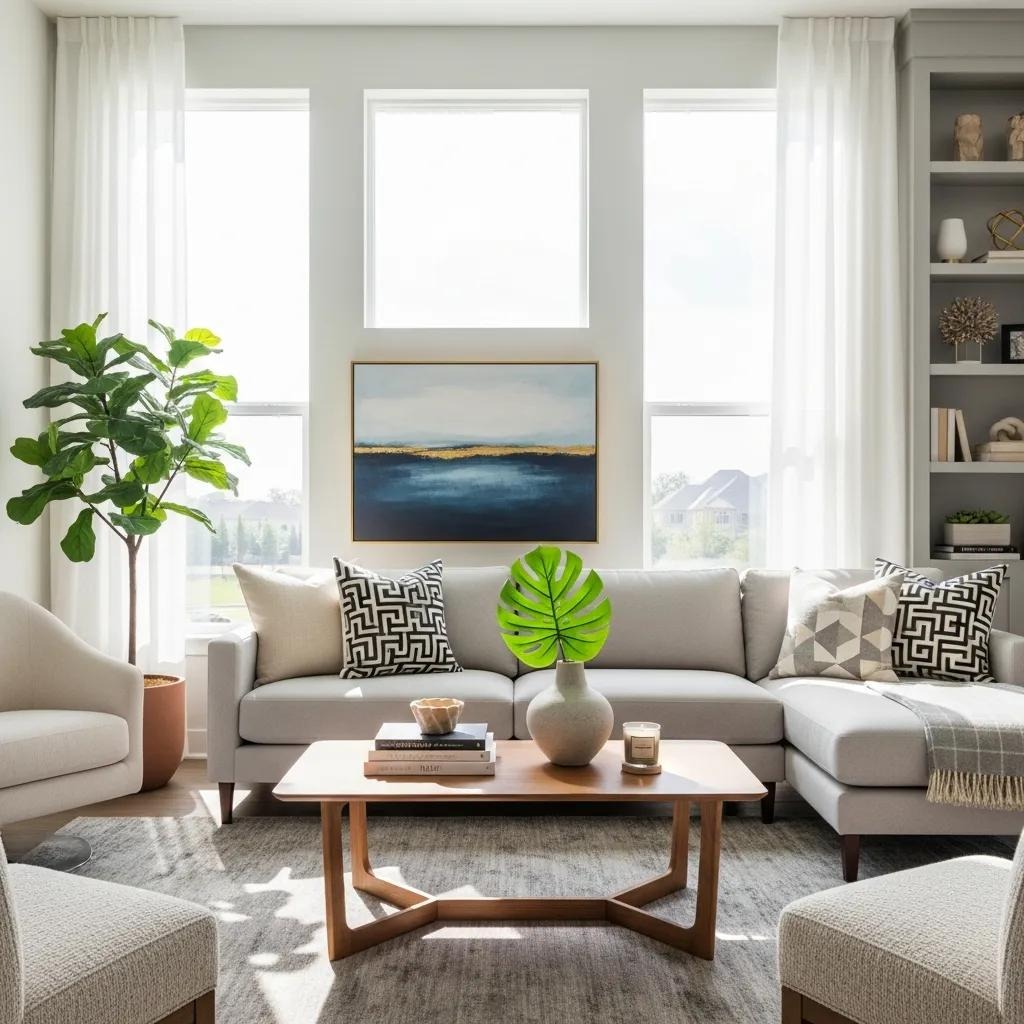
Real estate photography is a crucial element in effectively showcasing properties, as it can significantly influence potential buyers' perceptions. This guide will delve into essential tips and techniques to elevate your property photos and ensure they stand out in a competitive market. By understanding the nuances of lighting, camera settings, staging, and editing, you can create stunning visuals that capture a property's essence. Many real estate agents and property developers struggle to present their listings in the best possible light, often resulting in missed opportunities. This article will provide actionable insights to help you overcome these challenges and enhance your real estate photography skills. We will explore key areas such as lighting techniques, optimal camera settings, effective staging tips, and essential editing practices.
Proper lighting is fundamental in real estate photography, as it can dramatically affect the mood and appeal of property images. Good lighting enhances the visual quality of photos, making spaces appear more inviting and spacious. Natural light is often the best choice, as it brings out the true colours and textures of a property, creating a warm and welcoming atmosphere. Additionally, understanding how to manipulate both natural and artificial lighting can significantly improve the overall quality of your images.
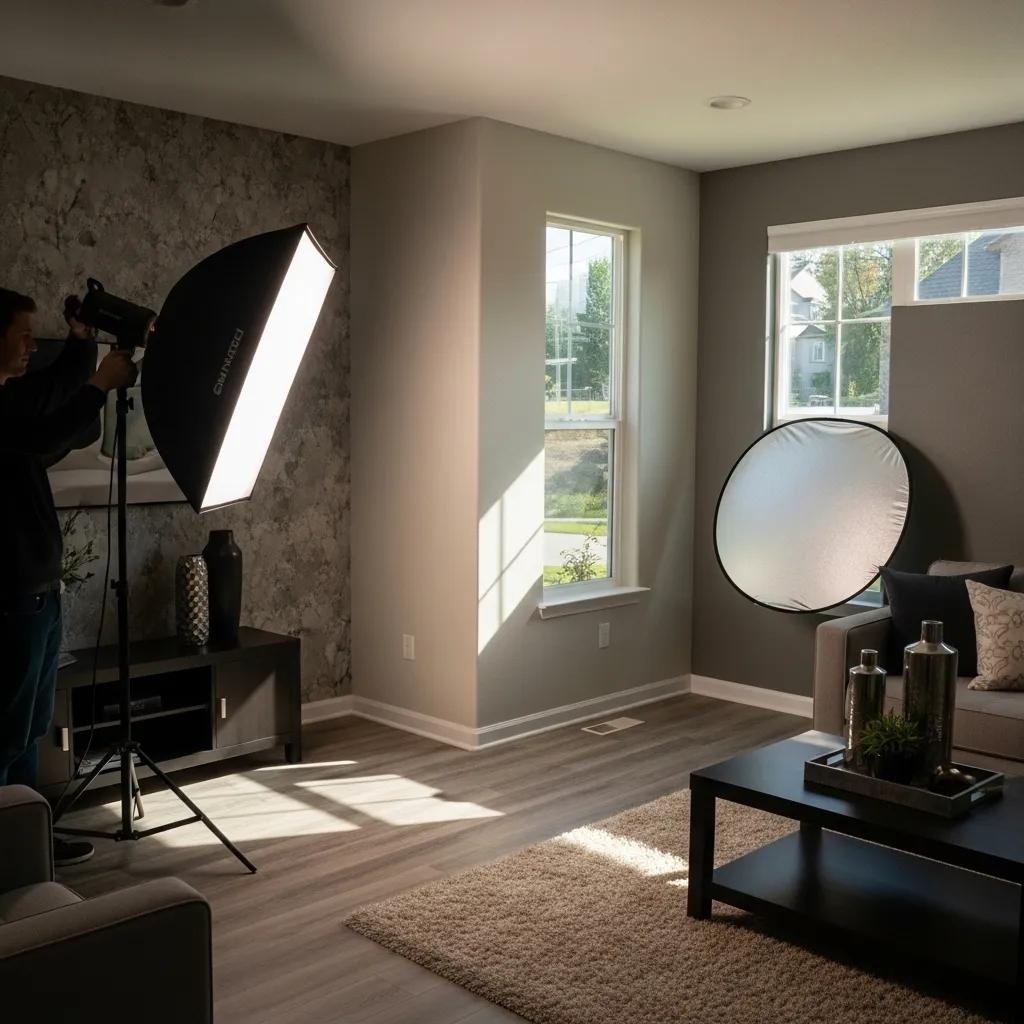
When it comes to lighting techniques, several methods can be employed to achieve stunning results:
These techniques can help create a more appealing visual narrative for potential buyers.
Studies show that properties with well-lit images receive significantly more engagement from potential buyers. Proper lighting can enhance perceived quality, making spaces look larger and more inviting. For instance, properties photographed in natural light tend to evoke a positive emotional response, leading to higher interest levels. In fact, listings with high-quality images can see up to a 61% increase in engagement compared to those with poorly lit photos.
Choosing the right camera settings is essential for capturing high-quality real estate photos. Understanding how to adjust settings such as aperture, ISO, and shutter speed can significantly affect the final outcome of your images.
For optimal results, consider the following settings:
These settings will help you achieve sharp, well-exposed images that highlight the property's best features.
The choice of equipment can greatly influence the quality of your real estate photos. High-quality lenses, such as wide-angle lenses, allow you to capture more of the space in a single shot, making rooms appear larger. Additionally, using a tripod can stabilise your camera, preventing blurriness in low-light conditions. Investing in good equipment can enhance the overall quality of your images, making them more appealing to potential buyers.
Staging a home effectively can significantly enhance its appeal in photographs. Proper staging helps potential buyers visualise themselves in the space, making it more likely for them to engage with the listing.

Here are some practical staging tips to consider:
These strategies can help create inviting spaces that resonate with potential buyers.
Research indicates that staged homes sell 73% faster than unstaged homes. Staging not only enhances a property's visual appeal but also influences emotional responses. Buyers are more likely to connect with a well-staged home, as it allows them to envision their future in the space. This emotional connection can lead to quicker sales and higher offers.
Further research supports the significant role of home staging in influencing buyer perception and market competitiveness.
Home Staging as a Real Estate Marketing Tool
Using home staging as a marketing tool is considered a competitive advantage in the real estate market. Home staging can be seen in high-quality photography and in social media marketing. This study suggests that home staging positively affects consumer perceptions. In addition, consumers are willing to visit staged properties
Value creation through home staging in the real estate market, 2019
Editing is a crucial step in the real estate photography process, allowing you to enhance images and correct any imperfections. Effective editing can transform good photos into stunning visuals that attract buyers.
The power of post-processing software like Photoshop is widely recognised for transforming and refining architectural renderings and real estate images.
Photoshop for Architectural Post-Processing
1. Nowadays, graphic image editing and processing have become very common in people's lives and work, such as building plans produced and people's digital photo processing. The most popular image processing software, Photoshop, has a very powerful set of features, including graphic design, colour printing, graphic creation, web design, image processing, multimedia and video effects, and other fields, and is widely used. Architectural post-processing is part of the post-processing software application, and, as architectural renderings production staff, we do not use Photoshop, landscaping, repair, or adjustment of three-dimensional or two-dimensional renderings. Thus, combined with years of teaching experience in architectural renderings, post-processing, image processing software, and the role of architectural renderings in post-treatment, this discussion covers some of the considerations.
Application of Photoshop on the Post-Processing of Building Works, 2016
Consider these post-processing techniques to enhance your property images:
These techniques can significantly improve the overall quality of your images, making them more attractive to potential buyers.
Incorporating video and drone footage can provide a comprehensive view of a property, showcasing its features from unique angles. Drone footage can highlight the property's exterior and surrounding areas, while video tours can offer a walkthrough experience. This multimedia approach can engage potential buyers more effectively than still images alone, providing a richer understanding of the property.
Different editing techniques deliver distinct benefits through specific mechanisms.
Technique
Purpose
Benefit
Color Correction
Adjusts hues and tones
Ensures accurate representation
Brightness Adjustment
Enhances visibility
Improves overall image appeal
Sharpening
Increases detail
Makes images more striking
This comparison demonstrates how various editing techniques can enhance the visual quality of real estate photos, making them more appealing to potential buyers.