
professional-property-photography-guide

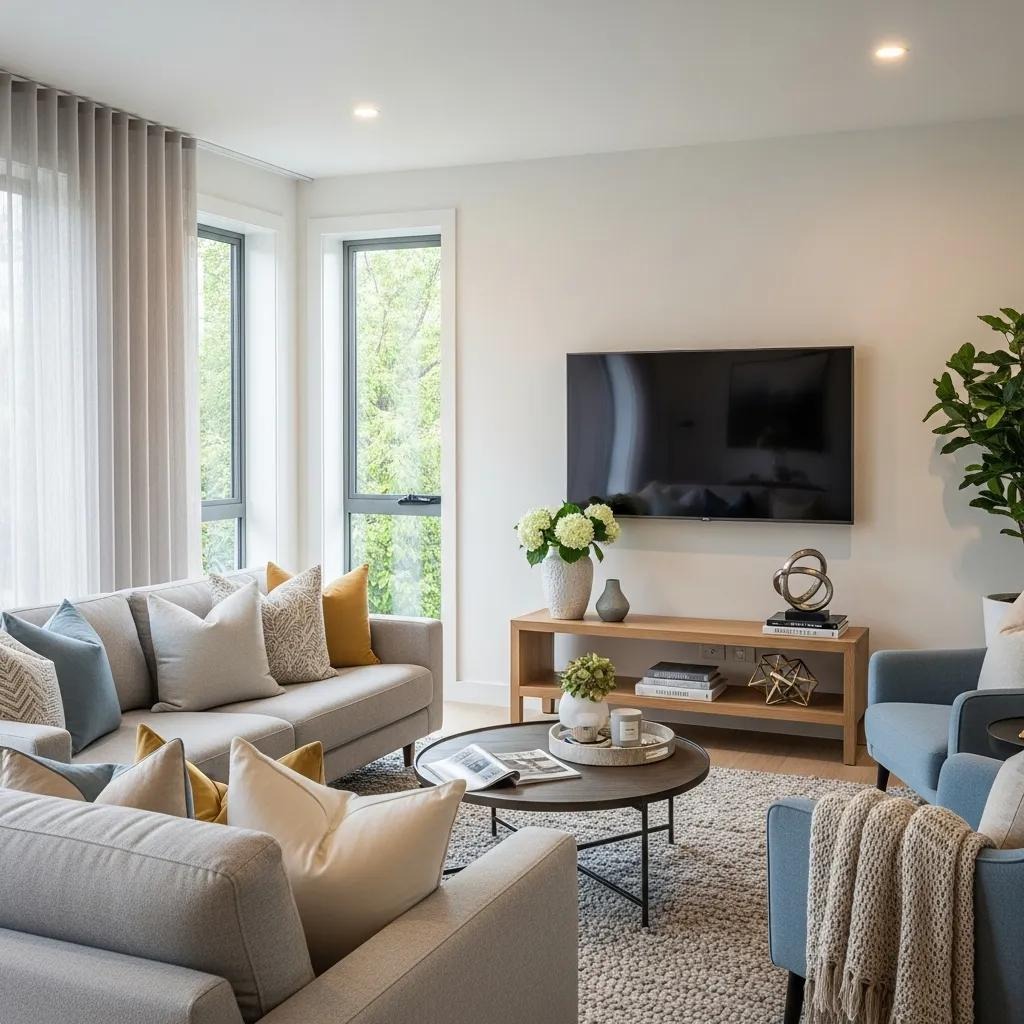
In the competitive world of real estate, high-quality property photography is essential for attracting potential buyers and effectively showcasing properties. This guide delves into the key techniques and strategies to elevate your property listings and ensure they stand out in a crowded market. By mastering the art of property photography, you can significantly enhance your real estate marketing efforts and drive more interest in your listings. This article will cover essential techniques for effective property photography, the benefits of drone photography, necessary equipment and lighting, and how to book professional photography services.
Empirical studies consistently demonstrate the profound influence of property photography on a listing's success, affecting both its final sale price and time on market.
Property Photos Impact Real Estate Price & Market Time
This paper investigates the relationships between property prices, time-on-market, and the use of property photo depictions in a multiple listing service. Empirical testing reveals that price as a function of photo depictions is increasing at a decreasing rate for both interior and exterior photos. Testing also reveals that time-on-market as a function of property photos is decreasing for interior photos, but is unrelated to exterior photos. Results are sensitive to the number of photos allowed by the Multiple Listing Service. Overall, the results suggest that additional photographs increase price while simultaneously lengthening the duration of property marketing, ceteris paribus.
On the relationship between property price, time-on-market, and photo depictions in a multiple listing service, JD Benefield, 2011
Effective property listing photography hinges on several key techniques that enhance a property's visual appeal. These techniques focus on lighting, composition, and staging, all of which play a crucial role in attracting potential buyers. By understanding and implementing these strategies, photographers can create images that not only capture the essence of a property but also evoke an emotional response from viewers.
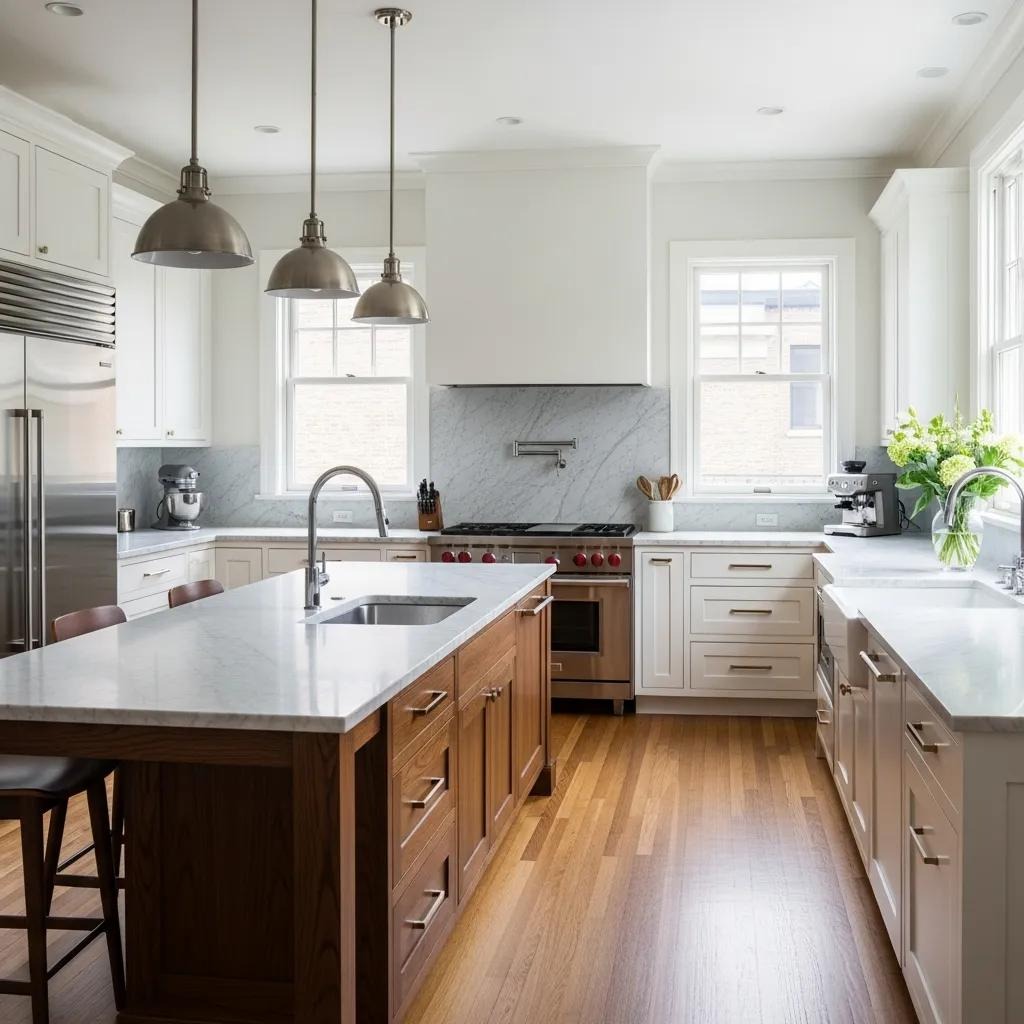
Interior photography requires a keen eye for detail and an understanding of how light interacts with space. Utilising "natural light" is one of the most effective techniques; it creates a warm and inviting atmosphere. Positioning the camera at angles that emphasise the room's dimensions can also make spaces appear larger and more open. For instance, shooting from a corner can provide a comprehensive view of the room, showcasing both the layout and the light.
When photographing commercial properties, composition and staging are vital for creating impactful images. Decluttering spaces is essential because it allows potential buyers to envision themselves in the space. Additionally, strategically using props can enhance a space's appeal. For example, adding furniture or decorative items can help convey the property's purpose and potential. Effective composition techniques, such as the rule of thirds, can also guide the viewer's eye and create a balanced image.
Drone photography has revolutionised property marketing, offering unique perspectives that traditional photography cannot. Aerial views provide a comprehensive overview of the property and its surroundings, making it easier for potential buyers to understand the listing's layout and context. This innovative approach not only enhances visual appeal but also increases engagement with listings.
Aerial views offer several advantages in real estate marketing. They offer a broader perspective on the property, showcasing not just the building but also the surrounding landscape and amenities. This can be particularly beneficial for larger properties or those in scenic locations, as it highlights features such as gardens, pools, and nearby parks. Furthermore, aerial photography can attract buyers by providing a unique vantage point that traditional photography cannot replicate.
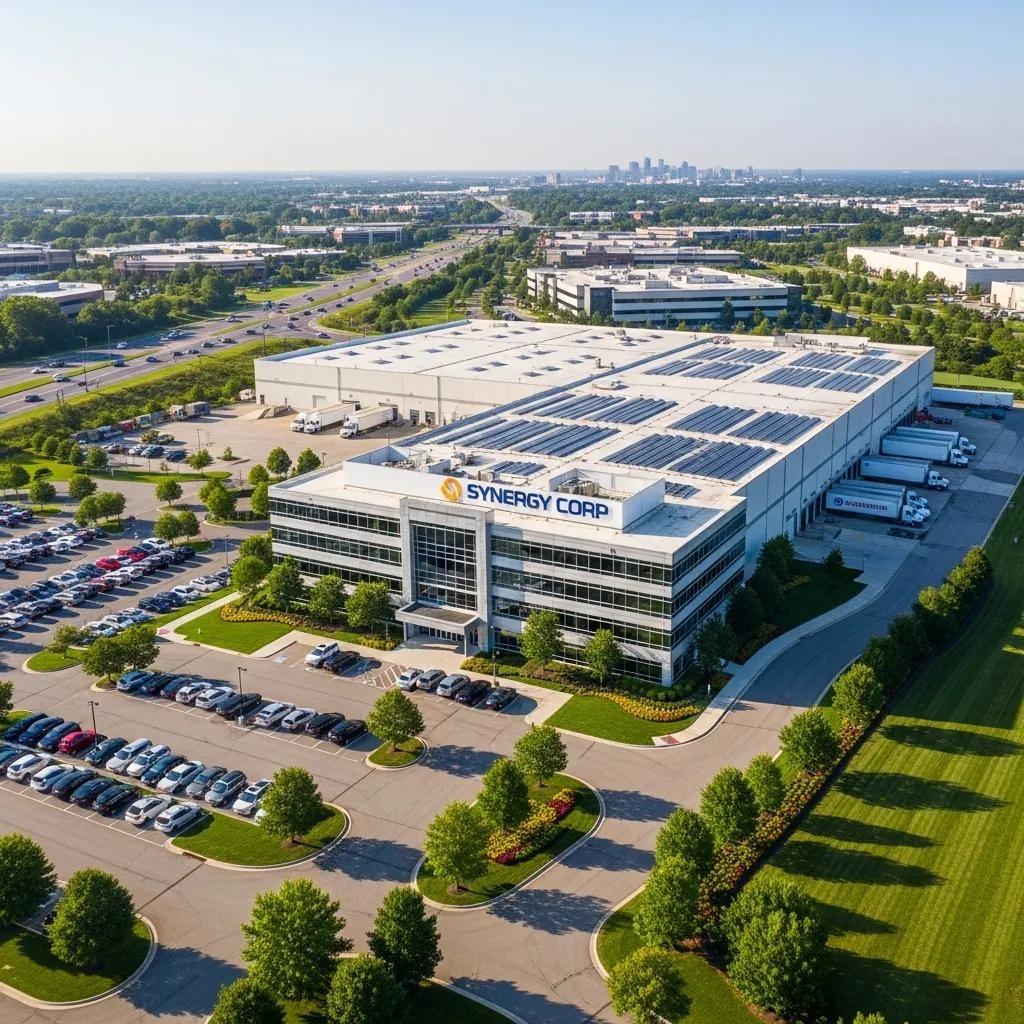
To effectively showcase commercial properties, specific drone photography techniques should be employed. Utilising dynamic movements, such as flyovers or orbiting shots, can create engaging footage that captures the property's scale and features. Additionally, selecting the right time of day for shooting—such as during golden hour—can enhance the visual quality of the images, making them more appealing to potential buyers.
Having the right equipment and lighting is crucial for achieving high-quality property photographs. Professional photographers often rely on specific camera models and lighting gear to optimise their images. Understanding the essential tools can help aspiring photographers make informed decisions about their setups.
When it comes to camera models, DSLRs and mirrorless cameras are popular choices among real estate photographers due to their versatility and image quality. Brands like Canon, Nikon, and Sony offer models that are well-suited for property photography. For lighting, using external flashes or softboxes can help illuminate darker areas and achieve a balanced exposure throughout the space.
High Dynamic Range (HDR) photography is an advanced technique that can significantly enhance property images. By combining multiple exposures, HDR captures a wider range of light and detail, resulting in stunning images that accurately represent the property. Additionally, employing advanced lighting techniques, such as using reflectors or diffusers, can help soften harsh shadows and create a more inviting atmosphere in photographs.
Booking professional property photography services involves understanding the available options and their associated costs. Knowing how to navigate this process can ensure you select the right service for your needs.
Pricing for real estate photography can vary widely based on location, service provider, and the specific services offered. However, general price ranges for photography packages in the U.S. market are approximately as follows: basic packages typically range from $150 to $300 for up to 20 images; premium packages with more images and additional services like videography or virtual tours may range from $350 to $600; twilight or dusk shoots may add an extra $50 to $150 depending on provider and number of images.
When selecting a photography package, consider the type of property and your marketing goals. For instance, larger properties may benefit from premium packages that offer more images and coverage. Additionally, assess your budget to ensure you choose a package that aligns with your financial constraints while still providing high-quality visuals.