
office-and-workplace-brand-photography
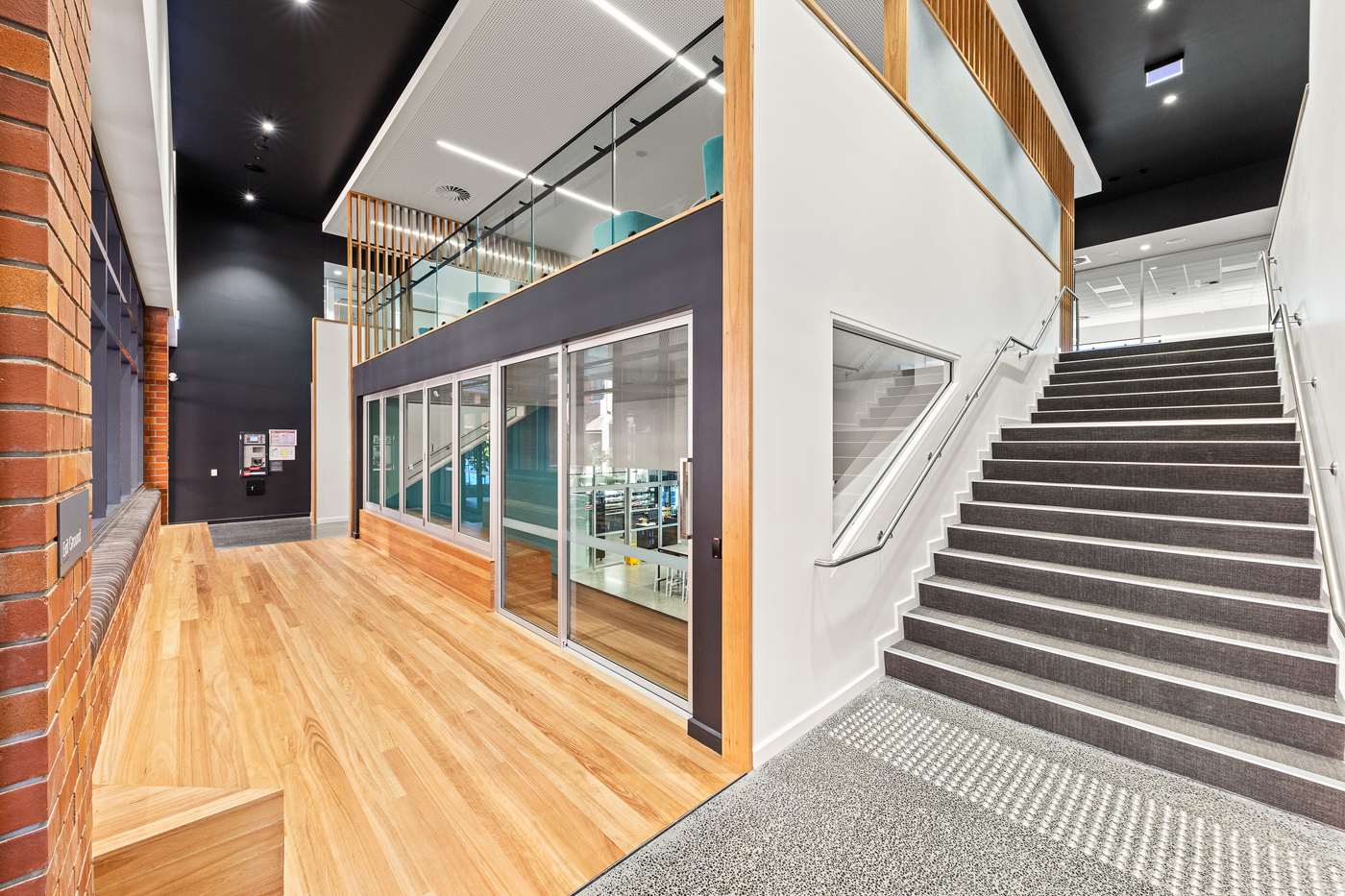
A strong workplace image does more than show desks, meeting rooms and smiling staff. It tells people what it feels like to work with you, lease from you, invest with you, or trust you with a project.
That is why office and workplace brand photography, along with architectural photography, has become such a valuable part of commercial photography. For real estate developers, property managers, business owners, agents, buyers, and marketing teams, the right imagery and listings can shape first impressions well before a phone call or site visit takes place. A polished office scene, a candid collaboration shot, or a well-composed portrait inside a branded workspace can suggest clarity, confidence and capability in a matter of seconds.
For property-focused businesses, this matters on several levels. Property photography is often associated with selling or leasing buildings through listings, yet the workplace inside those buildings also carries brand weight. Developers may need images that reflect professionalism and design intent. A property manager may need visuals that show responsive service, organised operations and well-run assets. A corporate tenant may need photography that supports recruitment, investor communication and day-to-day marketing.

People respond to visual cues quickly. Before reading body copy on a website or proposal, they are already judging the look and feel of the business behind it. That judgement is influenced by lighting, composition, styling, facial expression, background detail and consistency across every image.
In office settings, the most effective photographs, especially in the realm of interior photography, tend to share a few qualities. They look intentional without feeling stiff. They feel real without appearing messy. They show people and space working together.
A good image can communicate several ideas at once:
That blend is especially useful in commercial property marketing. A developer presenting a new office project is not only showing architecture. They are selling a vision of work, culture and future occupancy. A property manager is not only showing a foyer or facilities desk. They are presenting standards, reliability and care.
The difference between an average workplace photo and a persuasive one is usually not dramatic. It comes down to control and clarity.
Balanced lighting is one of the biggest factors. Soft, even light keeps faces natural, reduces harsh shadowing and makes interiors feel calm and polished. Clean framing matters just as much. If the eye knows exactly where to look, the photograph feels more confident. Backgrounds should support the story, not compete with it.
Here is a simple way to think about the building blocks of strong office imagery:
[markdown]
| Element | What it adds | Common result |
| --- | --- | --- |
| Soft, balanced lighting | Clear faces and accurate colours | A polished, reliable look |
| Clean composition | Focus on people, work or place | Order and professionalism |
| Tidy environment | Context without distraction | A sense of care and competence |
| Genuine expressions | Human connection | Trust and approachability |
| Brand-aligned colours and styling | Visual consistency | Stronger recognition across channels |
| Real staff in real spaces | Authenticity | Better connection than stock imagery |
[/markdown]
These principles apply across industries, though the tone may shift. A legal office might favour a more formal visual language. A technology firm may prefer a lighter, more energetic look. A development group may want a mix of boardroom confidence and project-site context. A property management brand may need service-led images that feel steady, capable and responsive.
Stock images can fill a gap, but they rarely build a brand. Workplace brand photography is most effective when it reflects the actual environment, actual team and actual culture of the business.
That does not mean every shot should be fully candid. Some of the strongest galleries include both directed and natural moments. A carefully arranged hero image can anchor a homepage, while unscripted interactions can bring warmth to social media, capability statements and recruitment pages.
The goal is credibility.
When a business uses real workplace photography, audiences get a clearer sense of who is behind the brand. That clarity matters for clients, tenants, investors and future staff. It also matters internally, especially in industries like real estate. Teams often respond well when they see their workplace presented with care and quality.
After planning the visual direction, it helps to aim for a balanced shot list, ensuring all relevant listings are covered:
Office and workplace photography, including architectural photography, has obvious value for corporate brands, though it is just as useful for the property sector.
Developers can use it to connect the physical building with the brand promise behind the project. Images of display suites, sales offices, design studios, site meetings and completed workspaces, as well as property listings, can support campaigns from pre-launch through to leasing and investor communication. When photographed well, these spaces feel active and purposeful, not empty.
For property managers, interior photography provides a slightly different opportunity. Photography can help show how a property is run, not just how it looks. Agents interacting with buyers, a facilities team in action, a concierge desk, a meeting space prepared for tenants, or a clean and welcoming lobby can communicate service quality more effectively than a paragraph of text.
This is where commercial photography, property photography, photography for developers, and photography for property managers often meet. The building is one part of the story. The people, developers, systems and day-to-day experience inside it are the rest.
A practical brief for these sectors often includes two layers:
The most useful workplace photography starts well before the camera comes out. The business needs a clear sense of what the images must achieve.
Some shoots are built around brand refreshes. Others are tied to a new office, a completed commercial development, a leasing campaign or a recruitment push. The purpose shapes everything from wardrobe to timing to the balance between portraiture and interiors.
A good planning process often covers:
It also helps to think about what should not appear in frame. Cluttered desks, inconsistent branding, messy cables and distracting signage can weaken an otherwise strong image. Small details matter because the camera notices everything.
Timing matters too. Natural light can lift an office interior, especially in reception areas, boardrooms and open-plan spaces. If the space includes windows with views, shoot timing can make the difference between flat and impressive. For active workplaces, scheduling around quieter periods can reduce stress while still allowing enough genuine interaction to keep the imagery alive.

One of the biggest concerns businesses have is looking over-rehearsed. It is a fair concern, but it is easy to avoid with the right direction.
People do not need to perform. They need light guidance, a comfortable setting and enough room to act naturally. Simple actions work well: walking through a lobby, discussing plans at a table, reviewing a screen, welcoming a visitor, or speaking with a colleague near a window. These moments feel familiar because they are familiar.
That is often where the strongest branding images come from.
The best galleries usually mix three modes of storytelling:
For developers, property managers, and agents in the real estate sector, this mix of commercial photography, property photography, and photography for developers creates flexibility. A single session can supply images for investor decks, leasing campaigns, LinkedIn content, recruitment material and website refreshes.
A well-run photography project keeps paying off long after the shoot day. When the editing style, colour treatment and framing stay consistent, the whole brand begins to feel more settled and more recognisable.
This consistency is often overlooked. A website may feature polished office photos, while social media falls back on random phone images and old headshots. That mismatch weakens trust and can also negatively affect the visibility and coherence of online listings. Even strong images lose impact when they do not belong to the same visual system.
Consistency is especially useful for businesses managing multiple sites, assets or stakeholders. Developers with several projects, property managers with a mixed portfolio, and commercial brands with more than one office all benefit from a repeatable image style.
For businesses wanting a specialist partner, AND Photography works across commercial, real estate and hospitality spaces, which is a useful fit when workplace branding needs to sit alongside property photography, drone imagery, videography or floor plans. That broader capability can help create a more unified visual set across spaces, teams and marketing materials.
Once a business has a good image library, the uses for listings and buyers tend to multiply quickly. Images that began as a website refresh often become valuable across sales, leasing, recruitment and internal communication.
A quality workplace gallery can support:
There is also a practical advantage, especially when incorporating architectural photography into workplace brand photography. When marketing teams have a bank of relevant, professional images on hand, content becomes easier to produce and more coherent to publish. That efficiency matters for time-poor property teams and growing businesses alike.
Office and workplace brand photography works best when it respects both people, developers, and place. It should show how the environment supports the business, and how the business gives meaning to the environment.
That is why it sits so naturally within commercial photography. It is not only about aesthetics. It is about reputation, communication and confidence. For developers, it can bring a project to life beyond plans and finishes. For property managers, it can show care, service and operational quality. For any business with a physical workplace, it can make the brand feel far more human.
When the images are thoughtful, authentic and visually consistent—especially in interior photography—they do something simple and powerful. They make the business easier to believe in.