
editing-standards-in-real-estate-photography-whats-acceptable-and-whats-misleading
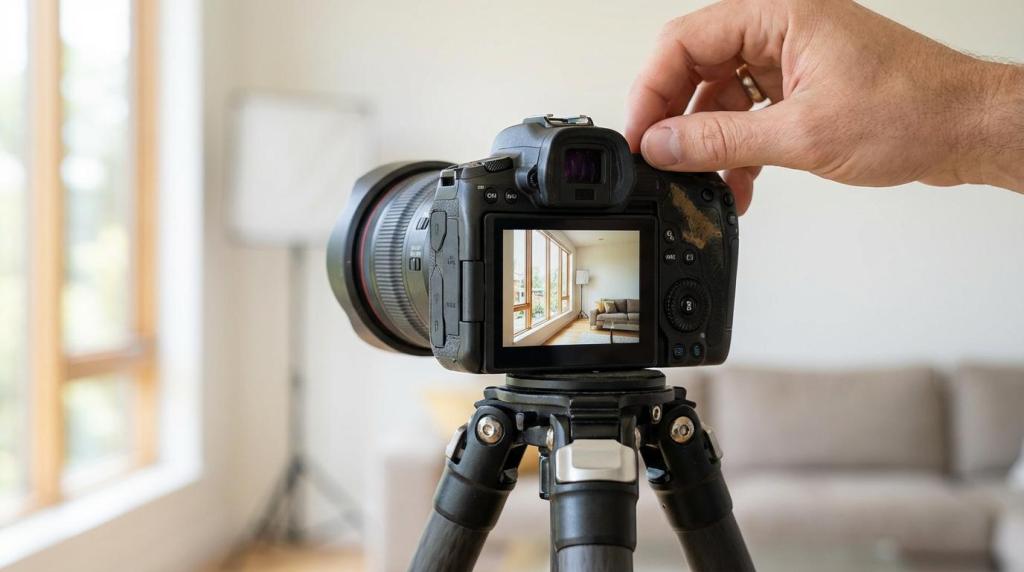
A strong listing image should do two jobs at once. It should look inviting, and it should tell the truth.
That balance sits at the heart of real estate photo editing standards. Buyers, tenants, vendors, agents, developers, and hosts all benefit when images are polished yet faithful to the property itself. The trouble starts when editing stops being presentation and starts becoming invention.
Real estate photography is not documentary photography, and nobody expects raw files straight from the camera. Interiors often need brightness adjustments. Windows need balancing. Vertical lines need correcting. A cloudy afternoon may call for a cleaner, more appealing sky if the property is still shown honestly.
Yet property marketing is also advertising, and advertising in Australia has a clear baseline: it must not mislead. That applies to words, floor plans, video, drone content, and still images. If a photo changes what a buyer reasonably believes they are getting, the edit has moved into risky territory.
Trust is not a soft extra in property marketing. It shapes enquiry quality, inspection turnout, and buyer confidence before anyone steps through the front door.
At its best, editing brings an image closer to how a person experiences the space in real life. Cameras flatten contrast, exaggerate colour casts, and can make lines tilt in a way the eye never would. Sensible post-production corrects those technical issues.
That is why common adjustments are widely accepted across Australian real estate marketing. They improve clarity and consistency without changing the substance of the property.
After the shoot, the edits that are generally viewed as acceptable tend to look like this:
None of that changes the floor area, the view, the layout, or the condition in a material way. It simply presents the property clearly, which is exactly what professional photography is meant to do.
The simplest test is this: does the edit change the property, or does it change only the image quality?
If the answer is “the property”, caution is needed.
[markdown]
| Edit type | Usually acceptable | When it becomes misleading |
| --- | --- | --- |
| Brightness and contrast | Yes | When highlights are pushed so far that defects disappear |
| White balance correction | Yes | When colours are changed so much that finishes no longer match reality |
| Perspective correction | Yes | When wide-angle distortion makes rooms look much larger than they are |
| Removing temporary clutter | Yes | When permanent fixtures or neighbouring structures are erased |
| Sky replacement | Often | When the new sky creates a view, mood, or weather condition that feels false |
| Lawn greening | Sometimes | When it hides dead landscaping or suggests a condition the property does not have |
| Virtual staging | Sometimes, if disclosed | When it is not labelled, or when it hides damage or awkward dimensions |
| Repairing marks digitally | Small marks only | When cracks, water damage, mould, or wear are removed |
| Location imagery | Yes, if labelled | When nearby beaches, parks, or skylines appear to be the property’s view |
[/markdown]
This is where many disputes begin. A brightened room is rarely controversial. A missing power pole, a widened lounge room, or a magically improved façade can leave a buyer feeling misled before the inspection even begins.
A useful industry rule of thumb is permanence. If an item could be removed in real life without changing the property itself, editing it out is often acceptable. If it is fixed, structural, or part of the true setting, it should stay.
That distinction helps in the grey areas. A hose on the driveway, a wheelie bin near the letterbox, or a neighbour’s car parked on the street are temporary. Powerlines, a retaining wall, the house next door, a telegraph pole, or visible building defects are permanent or material. Editing them away changes the viewer’s impression of the asset.
A few common red flags are easy to spot:
In Australia, the legal backdrop is not vague. The Australian Consumer Law prohibits misleading or deceptive conduct, and property advertising falls squarely within that framework. State guidance echoes the same point. Real estate advertising must be accurate and must not create a false impression about a property’s features, condition, location, or value.
That matters because images are not treated as harmless styling. A photo can be a representation. If it suggests a larger room, a cleaner condition, a better view, or a feature that does not exist, it may carry the same risk as misleading text in a listing.
Industry guidance from real estate bodies also points in one direction. Clean up the presentation, yes. Correct lighting and lens issues, yes. Change paint colours, hide structural issues, or alter dimensions, no. Listing platforms add another layer by restricting collages, overlays, and branding on listing images, pushing the focus back to clear, usable visuals.
There is also a local nuance worth noting. In NSW, if an image shows a nearby amenity rather than the actual view from the property, it should be labelled as a location shot. That is a practical example of how disclosure helps keep marketing persuasive without slipping into misrepresentation.
Blue-sky edits are now part of everyday real estate presentation. In many cases they are harmless, especially when the replacement looks natural and the rest of the image remains true. A dull white sky can flatten a façade and make a well-presented home feel lifeless.
The problem is not the idea of a better sky. The problem is excess. If the sky looks tropical above a winter suburban listing, or sunset colours imply a premium atmosphere that was never there, the image starts selling mood over truth.
Virtual staging can help buyers read an empty room. It can show furniture scale, circulation, and possible use. That can be genuinely useful in apartments, new builds, and vacant homes.
It needs clear disclosure. Without a label, viewers may assume the furniture is real, the styling is included, or the room proportions are easier than they actually are. Worse still, virtual staging should never be used to cover stains, cracks, damaged flooring, or tired walls.
Wide lenses are standard in property work because they help show more of a room. Used well, they are honest. Used badly, they turn a compact space into a ballroom.
This is one of the less obvious ways an image can mislead. The room is technically the same room, but the visual impression is exaggerated. Good editing standards keep perspective natural enough that a viewer is not surprised when they arrive.
Drone content is valuable, especially for large homes, developments, rural properties, hotels, and coastal listings. It gives context in a way ground-level work cannot.
Still, aerial imagery must be handled carefully. If a beach, park, café strip, or skyline is nearby rather than visible from the property, that should be clear in the listing. Context is useful. Implied views are not.
The best way to reduce editing risk is to solve more at the shoot. Good preparation, careful styling, strong lighting choices, and clean composition cut down the need for aggressive retouching later. That is true across residential sales, commercial spaces, and hospitality properties alike.
A disciplined workflow also helps. When photographers, editors, and agents work from the same standard, the finished gallery feels polished, consistent, and believable.
A sensible pre-delivery checklist often includes the following:
That process does more than keep a listing compliant. It produces better marketing. Buyers respond well to images that are aspirational without feeling artificial. They are more likely to enquire with confidence, and less likely to arrive disappointed.
Vendors, agents, developers, and hosts do not need to be editing experts to protect a campaign. They simply need to ask the right questions.
A useful starting point is whether the edits improve presentation or alter facts. Another is whether a first-time viewer would feel the images fairly match the property during an inspection. If the answer is uncertain, the image probably needs a second look.
Good questions include:
Those questions are not a barrier to strong marketing. They are part of strong marketing. Clear standards protect the seller, the agent, the photographer, and the audience reading the listing.
There is a reason honest editing usually performs better over time. It attracts the right buyers.
When the photography is clean, bright, well-composed, and faithful to the space, the campaign starts with credibility. Inspections are more productive. Buyers spend less time recalibrating their expectations. Conversations begin from a place of confidence rather than doubt.
Professional property imagery should make a home, development, hotel, or commercial space look its best. It should never ask the viewer to forgive a false first impression. In a market where trust carries real value, that standard is not restrictive at all. It is what gives the images their strength.