
brisbane-corporate-space-imagery-professional-photography
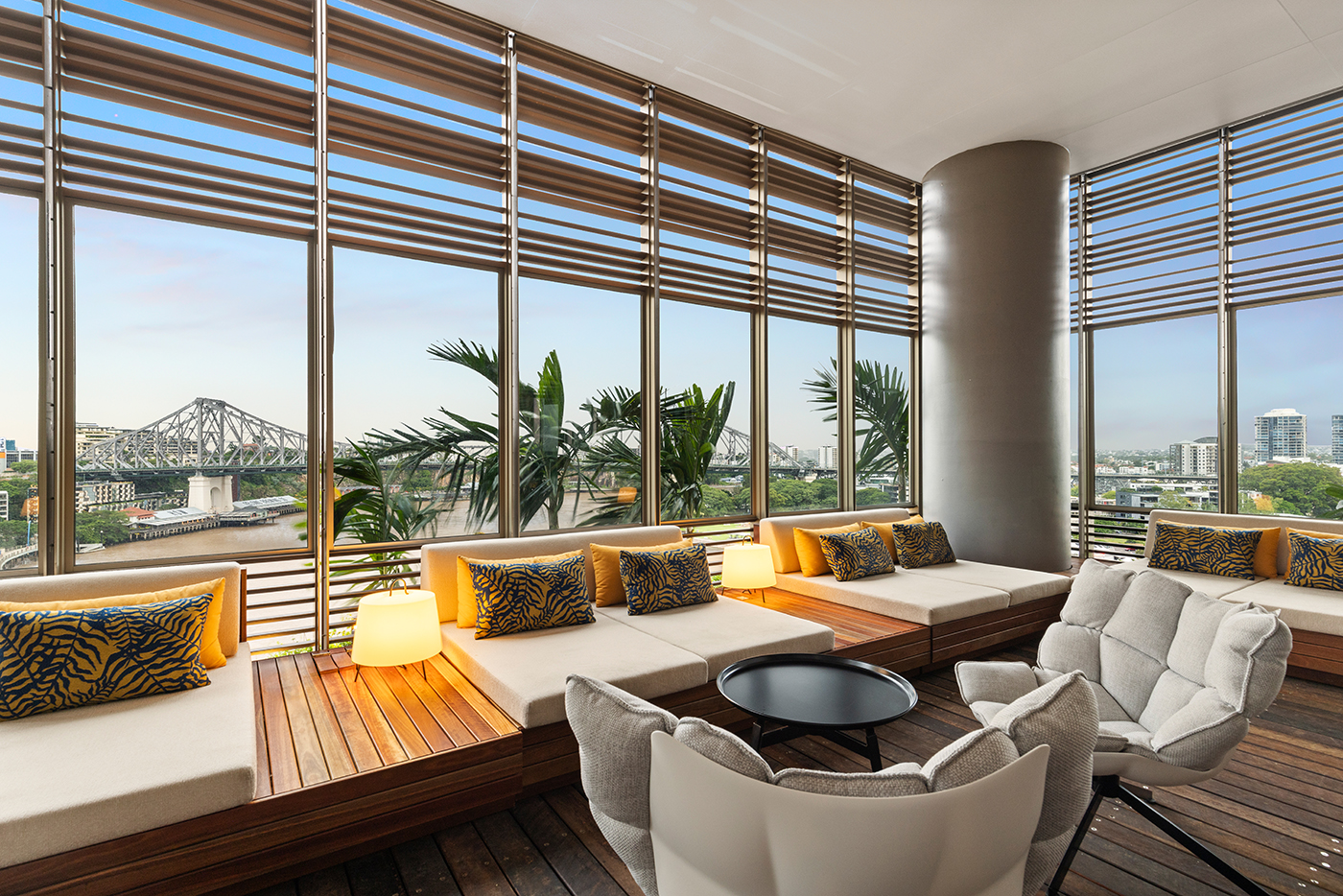
Corporate facilities rarely speak for themselves with words alone, which is why including corporate headshots along with facility images can provide a comprehensive visual representation. A head office, distribution site, campus, or corporate workplace needs corporate event photography and corporate facility photography that convey scale, order, culture, and capability in a single glance. For property managers and corporate communications teams in Brisbane, that kind of photography is not just a visual extra. It is part of how a site is presented to stakeholders, tenants, staff, investors, and the public.
Good corporate facility photography by a facility photographer gives a space presence, whether it's in the heart of Brisbane or any other bustling city. It can turn a polished lobby into a brand statement, make a meeting floor feel active and credible, and present an operations area with clarity rather than clutter. When the images are planned well, they support leasing, annual reports, recruitment, internal communications, website updates, media kits, and corporate profiles without feeling staged or generic.
Corporate spaces are built to do a job, but they also communicate values. A reception area signals standards. A boardroom signals confidence. A well-run warehouse or plant floor signals competence and discipline. Photography turns those cues into assets that can be used again and again across print and digital channels.
For property managers, this matters when promoting a building, documenting upgrades, or presenting common areas and facilities to owners, tenants, and future occupants. For corporate communications teams, it matters when shaping a visual library that reflects the organisation as it is now, not as it looked five years ago.
A polished facility image can do in seconds what a page of copy cannot.
That is why corporate facility photography usually covers more than architecture alone. The strongest image sets combine space, detail, and activity so the building feels occupied, purposeful, and real.
The most useful corporate gallery is varied, clean, and easy to use across different formats. Wide shots establish the site. Mid-range images show how the spaces work. Detail frames bring out finishes, branding, and design intent. When people are included, the images gain scale and warmth.
For Brisbane corporate sites, that might mean a sunrise exterior of the building, crisp interior photography of the lobby and workspaces, staff collaboration images in key areas, and selected operational scenes that show the site in action without revealing confidential material. If the facility has a large footprint, high-angle aerials can add context that ground photography cannot provide.
Sample images are often planned around the final use of the content, which is why a clear shot list helps from the beginning.
[markdown]
| Sample image type | What it communicates | Typical use |
| --- | --- | --- |
| Exterior hero image | Site presence, architecture, access | Website banners, brochures, investor decks |
| Lobby or reception wide shot | Brand experience, design quality | Corporate website, annual reports |
| Boardroom or workspace interior | Professional environment, amenity | Recruitment pages, leasing packs |
| Detail shot of finishes or signage | Craft, identity, consistency | Print collateral, social media, internal comms |
| Staff in the space | Culture, activity, scale | Careers pages, media releases, presentations |
| Aerial overview | Site size, setting, access routes | Property marketing, stakeholder communications |
[/markdown]
A gallery works best when it feels structured, not crowded, allowing space for important elements like corporate headshots. Captions, file naming, and web-ready image sizes also matter, especially when the content is going to be reused by marketing teams, agency partners, or internal communications staff.
Corporate facility photography works best when access is planned as carefully as the images themselves. Some Brisbane sites are straightforward, with a standard visitor check-in and escorted access to a few meeting rooms. Others, including industrial facilities, research spaces, or high-security buildings, require advance approvals, NDAs, induction processes, and firm limits on where cameras can go.
That planning protects the client and keeps the corporate-facility-photography shoot efficient. It also reduces interruptions for staff, contractors, tenants, and visitors. When the access process is clear before the shoot day, the team on site can focus on image quality rather than last-minute permissions.
Common access requirements often include the following:
Facilities vary, so the brief should reflect the site type, especially when planning for corporate event photography with a facility photographer like Andrey Orekhov. A corporate office may allow tripods and a compact lighting kit with little fuss. A manufacturing site may need steel-capped boots, a safety vest, hard hat, eye protection, and a site escort from start to finish. A campus in Brisbane with security-sensitive areas may permit photography in public-facing zones only.
Timing matters too. Early mornings, after-hours sessions, and low-traffic periods are often the best options for lobbies, meeting spaces, and active workplaces. That is especially useful when the brief calls for clean architectural images with minimal disruption to daily operations.
Property managers usually need images, including corporate facility photography, that are practical, consistent, and easy to deploy across multiple channels. That may include refreshed photography after upgrades, documentation of amenities, external elevations, tenancy presentation material, or common area marketing content. The images need to feel polished while still reflecting the site accurately.
Corporate communications teams in Brisbane tend to need a broader visual set. One shoot may support a website refresh, a media announcement, staff recruitment, internal presentations, and an annual report at the same time. In that setting, the photo brief often benefits from clear priorities: hero images first, secondary interiors next, then people-focused scenes and detail frames, with corporate facility photography ensuring the facility is showcased effectively.
A single point of contact on site makes a real difference. It keeps access moving, helps with room availability, confirms which areas are approved, and assists with minor staging where needed. That sort of coordination is often the difference between a rushed shoot and a productive one.
Backed by 11 years of professional property photography experience and more than 8,300 properties photographed across real estate, commercial, and hospitality settings, Andrey Orekhov's approach to facility work as a corporate-facility-photography specialist is built around preparation, consistency, and respect for active sites.
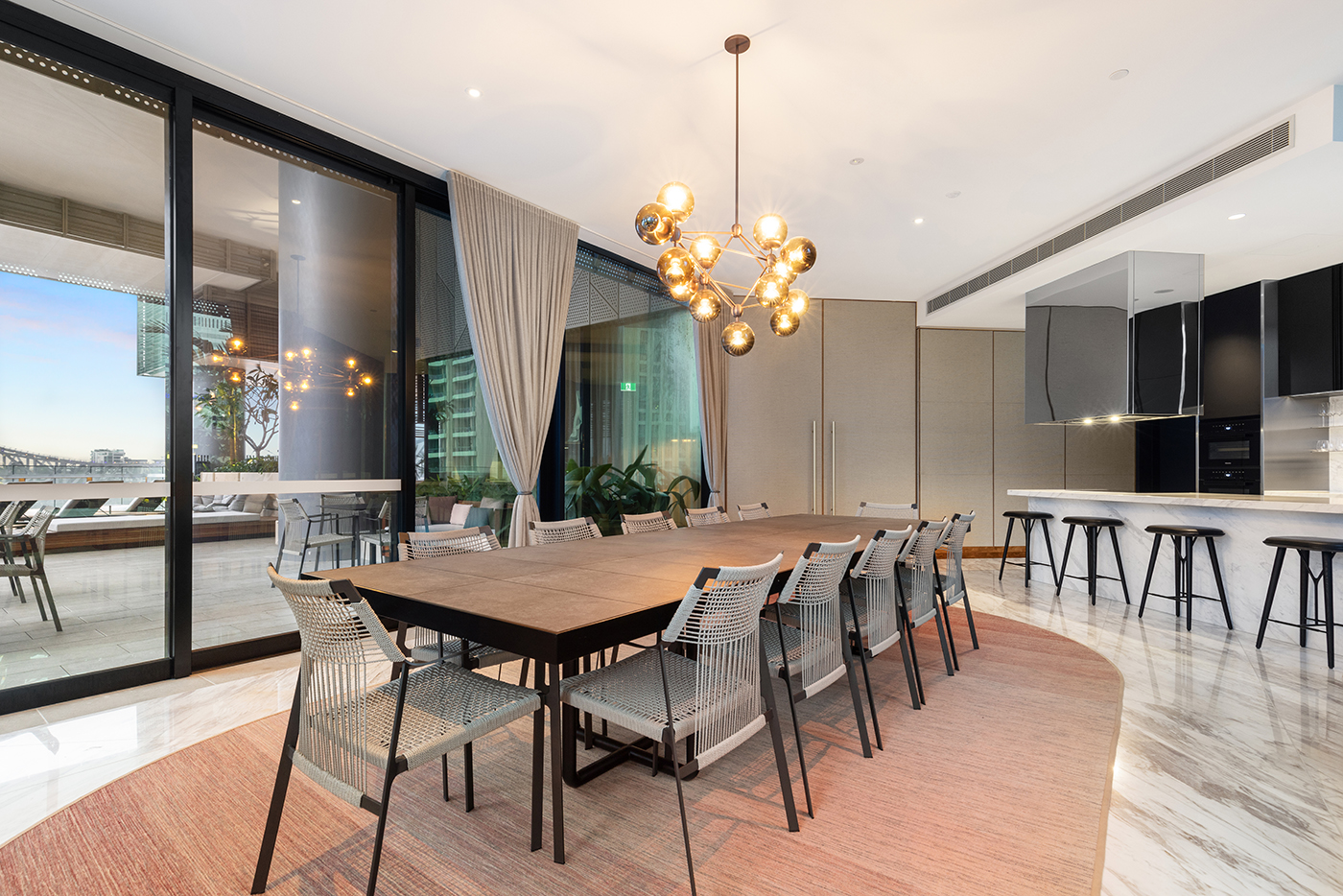
Corporate space imagery needs polish, though it should still feel truthful. Over-styled photographs can weaken credibility, especially when the content is being used for investor relations, staff communications, or property marketing. A better approach is to present the space at its best while keeping the real character of the building intact.
That means balanced lighting, straight architectural lines, clean colour, strong composition, and careful retouching. It also means removing distractions where appropriate, not rewriting the space altogether. In corporate headshots and staff images, natural interaction usually works better than forced poses. In operational spaces, clarity and safety take priority over dramatic effects.
When portfolios include sample images, it helps to group them by purpose. Office interiors, staff-at-work scenes, industrial operations, amenities, and aerial views all answer different questions for the viewer. The result is a gallery that feels useful rather than decorative.
Still photography gives a site a polished visual foundation. Video adds movement, pace, and atmosphere. Drone coverage gives context, footprint, and approach. Used together, they create a fuller view of the facility and help different audiences grasp the site quickly.
A property manager might use stills for a brochure, drone footage for a leasing presentation, and a short walk-through video for a website or campaign landing page. A communications team might use a still gallery in a report, short-form video on LinkedIn, and aerial footage to frame the scale of a campus or industrial site.
If the brief needs more than photography alone, including corporate event photography, related services can be viewed through video services and drone photography and videography. For sites where layout communication also matters, floor plans can support the visual package and give stakeholders a clearer sense of flow, zoning, and access.
This cross-linking is useful for visitors to the page as well. It lets them move from still imagery to motion and aerial work without starting a fresh search, which makes service comparison easier and keeps the project scope in one place.
The best briefs are simple and specific. Share the site address, intended image use, preferred dates, operational constraints, and any access rules at the start. If there are restricted areas, blackout times, PPE needs, or escort requirements, those details should be flagged before the shoot is scheduled.
It also helps to note what success looks like. That may be ten strong hero images for a website refresh, a full library for corporate communications, or a mix of interiors, staff scenes, aerials, and video for a larger campaign. Once the purpose is clear, the photography can be planned around access, light, people flow, and the story the space needs to tell.